
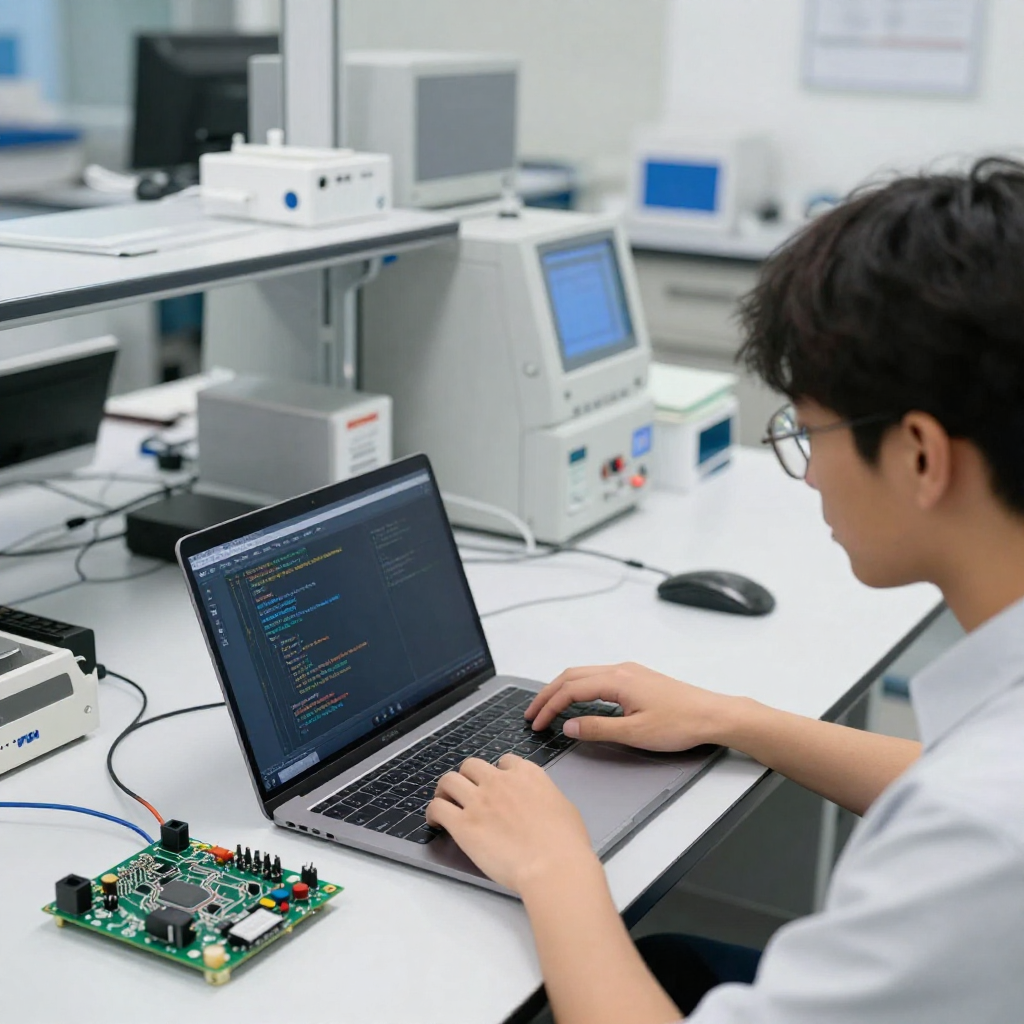
B Tech, or Bachelor of Technology, is one of the most sought-after undergraduate degrees for students interested in engineering and technology. It not only provides a strong foundation in technical knowledge but also opens up a wide range of career opportunities in various industries. Whether you want to work in IT, robotics, electronics, or civil engineering, a BTech degree equips you with the skills and practical experience to succeed in the modern world.
Why B Tech is a Popular Choice
It is popular among students because it combines theoretical knowledge with practical applications. The course prepares graduates for diverse industries, offers excellent salary prospects, and provides opportunities to work in both the public and private sectors. Additionally, the growing demand for technology-driven solutions in today’s world has made BTech a gateway to exciting and high-paying careers.
Who Should Consider Pursuing B Tech
Students with a strong interest in mathematics, science, and technology should consider pursuing. It is ideal for those who enjoy problem-solving, logical thinking, and innovation. BTech also suits individuals who aim for a career in engineering, software development, robotics, data science, or research and development.
What is B Tech?
It, short for Bachelor of Technology, is an undergraduate academic degree awarded to students after completing a 4-year program in engineering or technology. The course focuses on both practical and theoretical aspects of engineering, preparing students to meet industry demands.
Full Form and Meaning
The full form of BTech is Bachelor of Technology. It is a professional degree that emphasizes technical education, problem-solving skills, and practical knowledge in a specific engineering discipline.
Difference Between BTech and B.E.
Though often used interchangeably, BTech and B.E. (Bachelor of Engineering) have subtle differences. Its programs are more practical and skill-oriented, emphasizing hands-on experience, while B.E.
Subjects Covered in B Tech
The BTech curriculum includes a combination of core subjects, electives, labs, and projects. Students learn subjects like mathematics, physics, programming, electronics, mechanics, and engineering design, depending on their specialization. Practical training through internships and projects ensures students gain real-world experience.
Eligibility Criteria for B Tech
Before pursuing a, students must meet certain eligibility requirements to ensure they are prepared for the program.
Educational Qualifications Required
To apply for a BTech course, students must have completed their 12th grade or equivalent in the Science stream, with subjects like Physics, Chemistry, and Mathematics (PCM). A strong foundation in these subjects is crucial for success in BTech.
Entrance Exams You Need to Know
Admission to its programs is often through competitive entrance exams. Popular exams include JEE Main, JEE Advanced, BITSAT, VITEEE, and various state-level engineering exams. These exams test a student’s understanding of PCM subjects and problem-solving abilities.
Age and Other Requirements
Most BTech colleges require students to be at least 17 years old. Some universities also have a maximum age limit. Additionally, certain institutions may consider merit-based admission or scholarships based on academic performance.
Popular B Tech Specializations
It offers a variety of specializations to cater to different interests and career goals.
Computer Science Engineering (CSE) Overview
CSE is one of the most popular B Tech branches. It focuses on software development, programming, artificial intelligence, machine learning, and cybersecurity. Graduates can work as software engineers, data scientists, or AI specialists.
Electronics & Communication Engineering (ECE) Overview
ECE deals with electronics, communication systems, and signal processing. Careers in telecom, embedded systems, and electronics design are common for ECE graduates.
Mechanical & Civil Engineering Branches
Mechanical Engineering focuses on machines, manufacturing processes, and thermodynamics, while Civil Engineering deals with construction, infrastructure, and structural design. Both offer diverse roles in industries such as automotive, construction, and urban development.
Emerging Specializations: AI, Robotics, Data Science
Modern BTech programs now include cutting-edge specializations like Artificial Intelligence, Robotics, and Data Science. These fields are highly in demand and offer excellent growth opportunities in tech-driven industries.
Duration and Structure of B Tech
It is typically a 4-year undergraduate program, divided into eight semesters.
Year-wise Semester Breakdown
- 1st Year: Foundation courses in mathematics, physics, and basic engineering.
- 2nd Year: Core engineering subjects begin, along with lab work.
- 3rd Year: Specialized courses and practical projects.
- 4th Year: Advanced electives, internships, and a major project.
Core Subjects vs Electives
Core subjects are mandatory and form the foundation of your engineering knowledge, while electives allow students to explore emerging technologies or focus on a specific area of interest.
Importance of Labs, Projects, and Internships
Practical experience is crucial in BTech. Labs, projects, and internships help students apply theoretical knowledge, develop problem-solving skills, and prepare for real-world engineering challenges.
Career Opportunities After B Tech
A BTech degree opens doors to diverse career paths across industries.
Job Roles in the Private Sector
Graduates can work in IT companies, electronics firms, manufacturing industries, and tech startups. Popular roles include software developer, network engineer, data analyst, and mechanical designer.
Opportunities in the Government Sector
Its graduates can also pursue government jobs in defense, public sector units (PSUs), and research organizations. Competitive exams like GATE can lead to prestigious positions in public institutions.
Entrepreneurship and Startup Opportunities
With technical knowledge and problem-solving skills, B Tech graduates can launch innovative startups in tech, AI, robotics, or renewable energy sectors.
Further Studies and Research
Many students choose to pursue M.Tech, MBA, or Ph.D. after BTech to specialize further or explore academic and research opportunities.
Skills Required to Succeed in B Tech
Technical Skills You Must Have
Strong knowledge in programming, mathematics, electronics, and software tools is essential. Practical skills through coding, lab work, and projects make students industry-ready.
Soft Skills That Make You Stand Out
Communication, teamwork, time management, and critical thinking are equally important for a successful BTech career. Employers look for graduates who can solve problems and collaborate effectively.
Importance of Continuous Learning
Technology is constantly evolving. BTech graduates must keep learning new tools, languages, and technologies to stay competitive in the industry.
How to Get Admission in B Tech Colleges
Preparing for Entrance Exams
Focus on PCM subjects, practice previous question papers, and take mock tests to increase your chances of success in exams like JEE or BITSAT.
Choosing the Right College
Research colleges based on reputation, placement records, faculty, and infrastructure. The right college can significantly impact your learning and career opportunities.
Tips for Securing Admission
Maintain good academic scores, prepare thoroughly for entrance exams, and consider management or merit-based admission options. Early planning can give you a competitive edge.
Future Scope of B Tech
Emerging Technologies to Focus On
It graduates should explore AI, Data Science, Robotics, IoT, and Renewable Energy as these fields are shaping the future of technology.
Global Career Opportunities
With a BTech degree, students can work internationally in software, engineering, research, and tech consultancy roles. Countries like the US, Canada, Germany, and Australia offer attractive opportunities.
Higher Studies: M.Tech, MBA, PhD
Higher education allows specialization, advanced research, or managerial roles. Combining technical knowledge with business skills through an MBA can enhance career growth.
Wrapping up
B Tech is more than just an engineering degree—it is a gateway to innovation, career growth, and technological mastery. Whether your goal is to work in software development, robotics, civil engineering, or AI, equips you with the skills and knowledge to excel. Start your journey wisely, choose the right specialization, and embrace learning to make the most of your degree.
FAQs
What is B Tech?
It is a 4-year undergraduate degree in engineering and technology.
How long is a BTech course?
A BTech program usually lasts four years, divided into eight semesters.
What are the eligibility criteria for BTech?
Students need 12th grade with PCM and must clear relevant entrance exams.
Which specializations are available in B Tech?
Popular branches include CSE, ECE, Mechanical, Civil, AI, and Robotics.
What career opportunities does it offer?
Graduates can work in IT, manufacturing, government, startups, or pursue higher studies.